
Caring for Heels at Home: How to Prevent Pressure Ulcers in Bedridden Patients
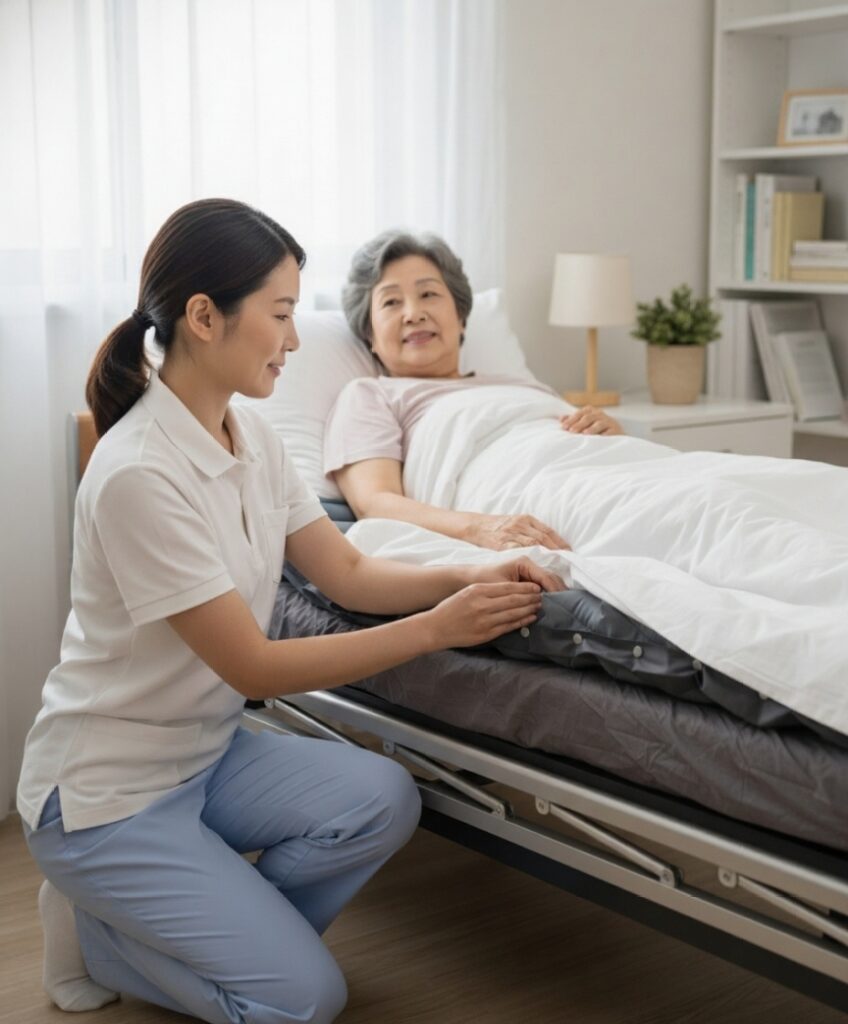
Pressure ulcers do not appear overnight. They begin quietly, often in places we overlook, like the heels.
Caring for someone who is bedridden is an act of patience and love. But even the most attentive care can miss one of the most common and painful problems faced by bedridden patients: pressure ulcers.
These wounds form when skin stays pressed against a surface for too long. The constant pressure slows blood flow and limits oxygen, causing the skin to weaken and break. Once that happens, healing can take weeks or even months. The good news is that with the right habits and simple tools, caregivers can stop these ulcers before they start.
Understanding Why Pressure Ulcers Form
When a person remains in one position for too long, gravity presses the body against the bed. The parts of the body that carry the most weight, such as the heels, hips, and lower back, become trapped between bone and mattress. Without movement, blood flow to those areas decreases.
If the pressure continues, the skin and deeper tissue begin to die. Moisture, friction, and sliding can make the damage worse. The heel is especially at risk because the skin is thin and there is very little natural padding to protect it.
According to the World Health Organization (2023), pressure injuries most often occur on the heels and sacrum among patients with limited mobility. Prevention should begin as soon as a patient becomes bedridden.
Why Repositioning Matters Most
Movement is the simplest and most effective way to protect the skin. Repositioning a patient regularly allows blood to flow freely and relieves pressure on vulnerable spots.
Caregivers should try to change the patient’s position at least every two hours. Even small adjustments, such as slightly turning to one side, lifting the legs, or placing a pillow under the knees, can make a difference. For patients who can move on their own, gentle reminders to adjust their position are just as important.
Repositioning takes only a few minutes but prevents weeks of painful recovery. It also gives caregivers a chance to check the skin for redness, swelling, or early signs of damage.
Ripple Mattresses: Comfort and Continuous Protection
A ripple mattress is another important part of pressure ulcer prevention. It looks similar to a regular mattress but has air cells that inflate and deflate in cycles. This gentle motion changes the points of pressure on the body and improves circulation.
For bedridden patients, especially those who are elderly or recovering from illness, a ripple mattress can reduce the risk of developing ulcers. It helps keep the skin dry, improves comfort, and maintains airflow around the body.
Research by the European Pressure Ulcer Advisory Panel (2023) shows that alternating-pressure surfaces like ripple mattresses reduce the risk of ulcers when used together with repositioning. It is not a replacement for movement but works best as part of a combined approach.
The Role of Silicone Foam Dressings
Even with good repositioning and a supportive mattress, some areas, like the heels, need extra care. Silicone foam dressings are made for this purpose. They cushion bony areas, reduce friction, and absorb moisture while keeping the skin comfortable and protected.
Unlike traditional gauze, silicone foam can stay in place for several days without irritating the skin. It can be removed gently without pain, making it ideal for patients with delicate or sensitive skin.
When used preventively, these dressings act like a soft shield. They spread pressure evenly, reduce rubbing, and help keep the skin healthy and intact.
A Complete Prevention Routine for Home Care
Building a prevention routine does not need to be complicated. Here is a simple and effective daily plan:
- Reposition regularly every two hours or as often as possible.
- Use a ripple mattress to reduce continuous pressure throughout the day.
- Protect high-risk areas with silicone foam dressings, especially the heels and ankles.
- Check the skin daily for redness, swelling, or warmth.
- Keep bedding smooth and dry to reduce friction and irritation.
This combination of movement, surface protection, and cushioning offers a complete defense against pressure ulcers.
Every Move Counts
Caring for someone who cannot move freely can be tiring and emotional. Every small action, such as adjusting their pillow, lifting their heels, or applying a protective dressing, adds comfort and prevents pain.
Preventing pressure ulcers is not only about avoiding wounds. It is about giving someone the comfort to rest peacefully and the dignity they deserve.
Empower healing at home with solutions made for gentle care.
References
- World Health Organization. (2023). Pressure injury prevention and management guidelines.
- European Pressure Ulcer Advisory Panel. (2023). Best Practice Recommendations.
- National Health Service. (2022). Pressure ulcer prevention for carers.
